Top 5 bacchushospitality.com Alternatives Providers 2026

Finding a wine education class that blends expert instruction with flexible delivery and a lively, approachable tone is still an uphill climb for enthusiasts and hospitality workers. Many existing wine programs either focus strictly on credential tracks with rigid schedules or gate casual, community-driven learning behind high membership fees or unclear pricing structures. This comparison covers teaching style, pricing transparency, and delivery formats across five wine education alternatives so you can pick the class or community that fits your goals and budget without missing out on hands-on tasting or travel opportunities.
Table of Contents
Blame It On Bacchus

At a Glance
A blocked script on the site limited visible class descriptions and product pages during review, so some course and shop details were not accessible. The accessible content shows lighthearted online wine classes paired with a gift shop selling wine-themed accessories.
Core Features
Wine classes taught with a humorous, approachable tone aimed at beginners and casual learners.
Preference identification tools that help you figure out which styles and grape varieties you like.
Personalized recommendations for similar wines based on your responses and preferences.
Wine-themed merchandise and accessories available in a gift shop designed for shoppers seeking novelty gifts.
Key Differentiator
The clearest distinction is the teaching voice: instructional content is deliberately playful rather than formal. That tone is paired with a shop, so learning and gifting feel unified instead of split across separate sites.
Pros
For newcomers, the humorous approach lowers the intimidation factor; lessons feel like a friend explaining a bottle at a dinner party.
The site includes preference tools that move you from vague likes to concrete suggestions, which speeds up the “what should I try next” decision.
The gift shop makes it simple to turn a class moment into a present; you can learn about a concept and then buy a themed accessory for a friend.
Course pacing and voice appear consistent across the visible classes, which helps members follow a short series of sessions without abrupt tone shifts.
Cons
The site displayed access issues during review, and those blocked elements limit how much of the class catalog and product details are visible.
Who It’s For
If you want wine education that reads like a friendly social lesson rather than a textbook, this fits. It also suits gift buyers who want quirky wine-themed items tied to the learning experience.
Unique Value Proposition
The combination of playful classes plus an attached gift shop creates a quick loop: you join a light class, find a small accessory that matches the topic, and purchase in the moment. That compact learning-to-gift path changes how you use the community compared with forums that separate education and commerce.
Real World Use Case
You take a beginner class on tasting, use the preference tool to lock in your taste profile, then pick a matching wine tote from the shop as a birthday gift for a friend who enjoyed the same session.
Website: https://blameitonbacchus.com
San Francisco Wine School

At a Glance
San Francisco Wine School reports a 4.98 rating, and its catalog spans casual tasting nights to professional certification tracks like WSET and Wine Scholar Guild. The mix of in-person, online, and hybrid delivery makes credential paths accessible across schedules.
Core Features
The school publishes a broad course catalog from beginner tasting classes to advanced certification programs. Classes run live and asynchronous online and in-person formats with recorded materials for later review.
Faculty are industry professionals with high credentials who teach region-focused modules and technical tasting labs. The school also runs private events, regional wine travel, and a members program that includes wine club access and event discounts.
Key Differentiator
What sets this entry apart is the pairing of professional certification with flexible delivery. San Francisco Wine School offers recognized credentials such as WSET and Wine Scholar Guild alongside short skills classes, so someone can pursue a credential without leaving part-time work.
Pros
Flexible learning formats let you attend evening tasting labs live or watch recorded sessions later, which helps busy hospitality staff keep skill development on schedule.
The instructor roster reads like a working industry directory, which raises the practical value of tasting notes and service drills for restaurant teams.
The range from single-session classes to multiweek certification tracks supports both casual enthusiasts and credential seekers without forcing one path on everyone.
The school reports a strong overall satisfaction figure above, and that rating shows up repeatedly in third party reviews and student testimonials.
Private events and curated wine travel provide a clear upgrade path for members who want hands-on regional exposure beyond classroom study.
Cons
In-person workshops and certification intensives carry higher price tags than single online classes, which raises the entry cost for casual learners.
Some professional tracks require multiple weekend sessions or paired study materials, so total time and expense add up for people balancing jobs.
The membership and travel extras favor learners who can commit to in-person experiences, so remote-only students may find fewer advanced options.
Who It’s For
This is a fit for aspiring sommeliers, hospitality staff, and serious enthusiasts who want recognized credentials and instructor-led tasting practice. It also works for professionals who need a credential that hiring managers recognize on a resume.
Real World Use Case
A restaurant sommelier candidate signs up for WSET Level 3 delivered across hybrid weekends, uses recorded theory sessions to study during weekday shifts, and attends tasting labs for palate training before seeking certification.
Website: https://sanfranciscowineschool.com
Learn About Wine

At a Glance
Hosts over 100 wine events annually and has run programs since 1995, blending classroom-style tasting with travel and social gatherings. That event cadence makes the community feel active year-round rather than seasonal or hobbyist.
Core Features
Wine classes for all levels from beginner tasting fundamentals to advanced blind-tasting technique, offered live and on occasion as recorded sessions.
Virtual and in-person tastings that pair guided instruction with curated bottles, often with Q&A and tasting notes provided.
International trips and private events including multi-day wine tours and corporate or private-hosted tastings.
Educational resources such as an active blog and press releases that document trips and class highlights.
Key Differentiator
The program mix centers on expert-led experiences, with Ian Blackburn named as the primary educator and host. Learn About Wine leans into travel and instructor presence more than discussion-driven forums, so it fits learners who value guided tasting and organized trips over open peer forums like those Blameitonbacchus builds around social classes and merchandise.
Pros
Instructor-led format warms up group learning quickly; Ian Blackburn’s facilitation style keeps sessions lively and focused on tasting technique.
The event schedule creates reliable opportunities to meet other members and form recurring tasting groups.
Offering both virtual and in-person formats means you can join from outside a local metro area and still attend classes live.
Trips and private events raise the experience above a one-off tasting; attendees report stronger takeaways from multi-day itineraries.
A mix of free resources and paid events lets you try the community before committing to a trip.
Cons
Public reviews in the product data list few downsides, which can mean limited publicly available critique to weigh when choosing a trip.
In-person benefits depend on your location; the social value drops if you can never travel to nearby events.
Signature trips require advance planning and flexibility; last-minute planners will find fewer options.
Who It’s For
Wine enthusiasts who want instructor-led learning and social connection, plus industry pros seeking continuing education paired with travel. If you enjoy tasting with a teacher and then comparing notes over dinner, this matches that rhythm.
Real World Use Case
A solo attendee signs up for a monthly virtual tasting, learns a tasting framework across three sessions, then books a weeklong vineyard tour offered the next season. The trip cements technique and turns online acquaintances into in-person tasting partners.
Website: https://learnaboutwine.com
Commonwealth Wine School

At a Glance
Officially approved as a program provider for WSET and Wine Scholar Guild, Commonwealth Wine School links casual tasting classes with formal certification paths. The school runs instructor-led courses, on-demand content, workshops, private events, and wine travel across Boston, San Francisco, and online.
Core Features
Commonwealth blends classroom structure with flexible delivery.
Wide course catalog covering wine, spirits, sake, and beer from beginner tastings to advanced certification prep.
Multiple delivery modes: in-person, online, and on-demand so you can pick live instruction or self-paced study.
Certification pathways through partner organizations plus themed workshops and curated wine travel experiences.
Key Differentiator
The explicit ties to WSET and Wine Scholar Guild set this offering apart for anyone who needs formal credentials instead of hobbyist certificates. Those partnerships let you pursue recognized certification while keeping access to shorter, palate-focused workshops and private group sessions.
Pros
Offers both hobbyist and professional routes, so a casual learner and an aspiring sommelier can use the same provider for different goals.
Multiple formats reduce travel friction; busy professionals can combine weekend in-person workshops with weekday on-demand modules.
Partner certifications add credibility for resumes and job applications in hospitality and beverage retail.
Locations in major U.S. cities mean you can attend classroom days without long-distance travel when schedules align.
Themed tastings and travel experiences add tactile learning that accelerates palate development compared with lectures alone.
Cons
Pricing is not published publicly, so you need to request quotes for specific courses or packages before budgeting.
The site gives limited detail on class sizes and precise schedules, which complicates planning for professionals juggling shifts.
Some advanced certification courses are intensive; expect significant study time and additional material costs beyond tuition.
When It May Not Fit
If you require transparent, fixed pricing to budget months in advance, this model is cumbersome because fees vary by course and format. If you need guaranteed small-class capacity or a specific weekday schedule, availability may be constrained by location and cohort timing.
Who It’s For
Wine enthusiasts who want credentialed training, hospitality workers pursuing certifications, and small corporate groups seeking private tasting events. Also useful for collectors refining tasting technique who want occasional in-person labs alongside online lessons.
Real World Use Case
A restaurant sommelier prepares for WSET Level 3 by combining live weekend seminars in Boston with online revision modules during the week. Private staff tastings and a guided wine trip reinforce classroom learning and speed practical application.
Pricing
Tuition is not listed sitewide and appears to vary by course level, format, and location. Expect to request a quote for certification tracks and to see different rates for on-demand versus instructor-led courses.
Website: https://commonwealthwineschool.com
Joie de Vin

At a Glance
Managed by wine educators with extensive industry experience, Joie de Vin pairs structured memberships with live virtual tastings and travel-focused content to help members deepen tasting skills and regional knowledge. The site blends blog content, Q&A, and scheduled online classes for ongoing learning.
Core Features
A clear mix of live instruction, written resources, and member interaction drives the platform.
Online classes for multiple skill levels, from tasting basics to regional deep dives.
Membership options including a free tier and paid plans that unlock classes and events.
Virtual tastings guided by professional educators and occasional guest experts.
Wine news, blog articles, and Q&A sections for asynchronous learning.
Interactive engagement via a Facebook group and comments on posts.
Practical wine travel and pairing tips aimed at experiential learning.
Key Differentiator
Joie de Vin’s pitch centers on education first: scheduled classes plus ongoing community support so lessons continue after a session ends. Compared with Blameitonbacchus, Joie de Vin leans toward structured learning and travel-minded members rather than merchandise-driven or single-event audiences.
Pros
The blend of scheduled classes and persistent community spaces helps beginners retain skills through repetition and discussion.
Active community features make follow-up questions and tasting notes simple to share in the Facebook group and comment threads.
A wide spread of free and paid resources lets you sample content before committing to a membership or a series of classes.
Expert-led virtual tastings provide guided sensory practice rather than pure lecture; that hands-on focus accelerates palate development.
Travel and regional content gives context to tasting notes, which helps you connect flavor to place when planning trips or purchases.
Cons
Course pages often lack granular curriculum outlines or explicit certification paths, so you may not know exactly what a paid series covers before signing up.
The breadth of content can overwhelm absolute novices who prefer a single, linear learning track rather than picking from many topics.
Some classes and tastings carry additional fees, which raises the effective cost if you attend multiple events.
When It May Not Fit
If you want in-person masterclasses or a program that issues formal certification, Joie de Vin is primarily digital and may leave those needs unmet. Also avoid it if your sole goal is accredited credentials rather than practical tasting skills and community learning.
Who It’s For
Dedicated wine enthusiasts and foodies who want regular, instructor-led practice and a social place to compare tasting notes. It suits learners who enjoy mixing short articles with scheduled sessions and occasional travel-oriented lessons.
Real World Use Case
A member enrolls in a three-week series on Rhône varieties, attends two guided virtual tastings, asks targeted follow-up questions in the Facebook group, and uses the blog’s pairing notes when booking a regional tasting trip.
Website: https://joiedevin.com
Comparative Analysis of Wine Education Platforms
When selecting a platform for exploring the expansive world of wine education, the decision often hinges on factors like teaching approach, flexibility, and secondary features such as travel opportunities or commerce integration. Below, we compare “Blame It On Bacchus” to its alternatives, highlighting where each platform excels and for whom it may be most relevant.
Tone and Engagement Style
Blame It On Bacchus distinguishes itself with its approachable and humorous tone, geared towards novice wine enthusiasts seeking an entertaining entry point. In contrast, the San Francisco Wine School maintains a more professional and credential-focused tone, suitable for aspirants targeting recognized qualifications. By comparison, Joie de Vin and Learn About Wine offer a blend of structured classes and community-driven interactions, emphasizing immersive experiences and group discussions.
Breadth of Offerings
The San Francisco Wine School provides pathways covering informal classes to advanced certifications like WSET, making it a top choice for ambitious learners aiming for structured advancement. Commonwealth Wine School shares this credential-centric offering but adds flexibility with online and hybrid course options, making accessibility a cornerstone. Conversely, Blame It On Bacchus focuses on beginners, blending bite-sized learning moments with themed gift options for added novelty.
Best Fit Recommendations:
Blame It On Bacchus: For learners who appreciate a relaxed, playful learning environment paired with a unique shopping experience.
San Francisco Wine School: For career-oriented individuals pursuing formal wine certifications under seasoned instructors.
Joie de Vin: Matches enthusiasts drawn to interactive virtual sessions and rich community exchanges fostering ongoing engagement.
Learn About Wine: Excels for travelers or learners who prioritize guided tasting events and wine tourism.
Our Pick
Blame It On Bacchus offers a unique twist by combining education with commerce, making it especially suited for those seeking a non-intimidating entry to wine culture. However, for credential-driven aspirations or immersive international tours, competitors like San Francisco Wine School and Learn About Wine may provide better alignment.
Wine Education Programs Comparison
Explore these wine education options to find the program that best fits your learning style and preferences.
Product | Core Feature | Key Differentiator | Best For | Notable Limitation |
Blame It On Bacchus | Playful online wine classes | Integration of learning and gifting | Beginners and gift-seekers | Limited visible content during review |
San Francisco Wine School | Broad ranging from beginner to advanced levels | Professional certification and flexible formats | Aspiring sommeliers and hospitality staff | High costs for advanced in-person events |
Learn About Wine | Instructor-led tastings, events, and travel | Event-focused community feel | Collaborative and travel-interested learners | Some benefits depend on geographic location |
Commonwealth Wine School | Comprehensive catalog including certifications | Official WSET and Wine Scholar Guild provider | Credential seekers and wine hobbyists | Pricing not transparently listed |
Joie de Vin | Virtual classes complemented by community support | Emphasis on ongoing learning in a community | Foodie wine enthusiasts | Few in-person certification opportunities |
Discover a More Fun Way to Learn Wine with Blameitonbacchus
Choosing the right bacchushospitality.com alternatives can feel confusing when you want wine education that truly sticks without feeling stuffy or overwhelming. If you are looking for a friendly approach that breaks down wine basics with humor and helps you find your personal taste preferences, Blameitonbacchus offers exactly that. With online classes crafted for beginners and a unique wine-themed gift shop, you get to enjoy learning and shopping in one place.
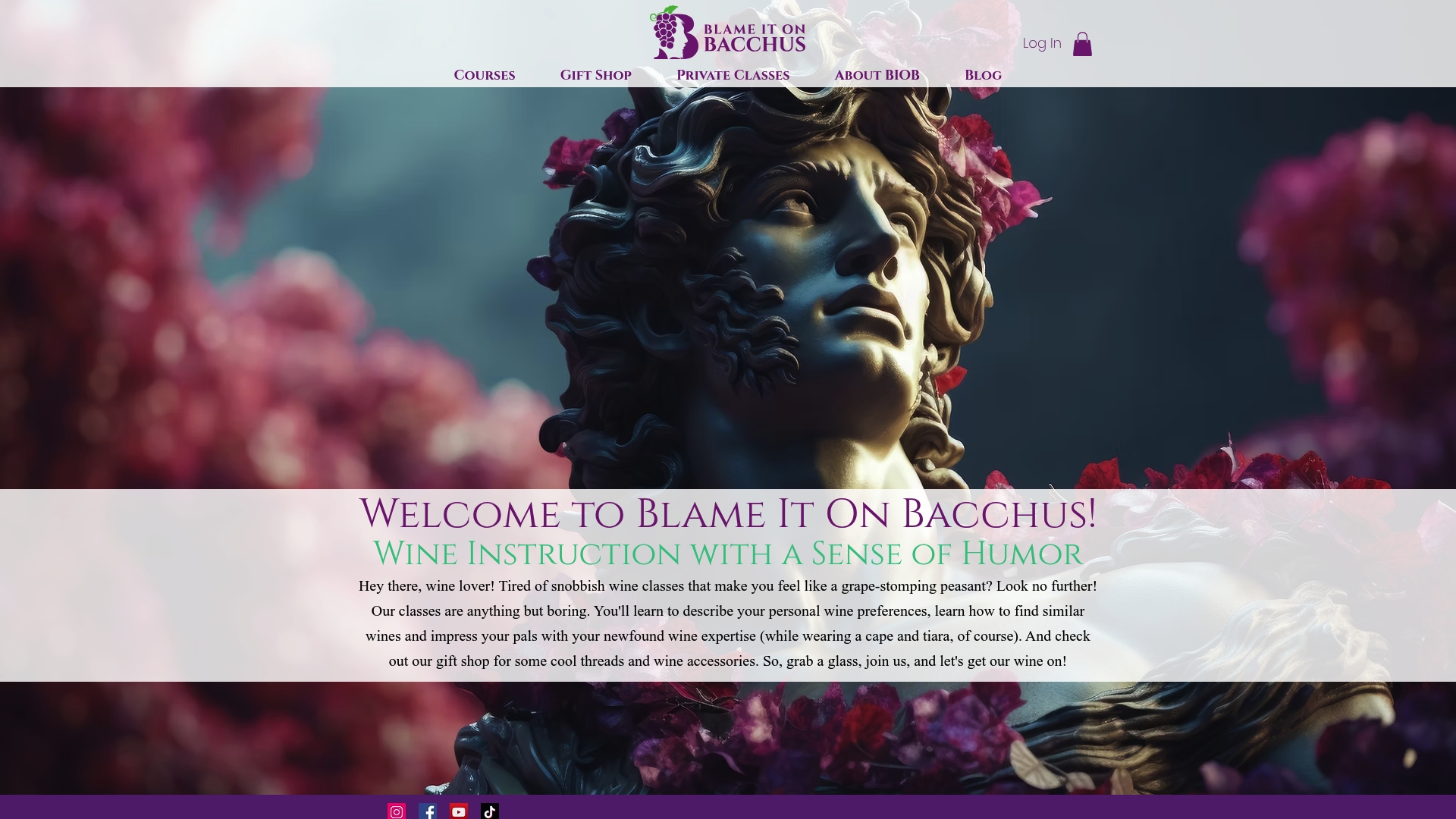
Explore how Blameitonbacchus makes wine approachable and enjoyable while helping you pick your next favorite bottle or gift. Visit Blame It On Bacchus now to take a lighthearted class and discover wine accessories designed just for passionate wine lovers. Start with an easy online session and shop for a matching gift to celebrate the moment.
Frequently Asked Questions
What makes BlameItOnBacchus ideal for beginners in wine education?
BlameItOnBacchus provides a humorous approach to wine classes that lowers the intimidation factor for newcomers. The instructional content is designed with a playful tone, making learning feel accessible and friendly. For those new to wine, this familiar environment can enhance the enjoyment of learning about wine without the pressure of a formal setting.
How does BlameItOnBacchus compare to San Francisco Wine School for credential seekers?
San Francisco Wine School offers highly recognized certifications like WSET, making it an excellent choice for those pursuing professional credentials. In contrast, Blameitonbacchus is more suitable for casual learners who prefer a lighthearted approach rather than focusing on formal qualifications. If you are looking for an entertaining way to explore wine without the commitment of certification, BlameItOnBacchus fits that need perfectly.
Which platform provides better community engagement for ongoing wine learning: BlameItOnBacchus or Joie de Vin?
Joie de Vin emphasizes structured memberships and community interaction through Facebook groups, fostering continuous engagement among members. BlameItOnBacchus, while lighter in community-focused elements, excels in providing a direct path to entertaining and educational wine classes. If you seek a vibrant community alongside instructional material, you may find Joie de Vin to be a strong contender.
Does Learn About Wine offer more hands-on experiences than BlameItOnBacchus?
Learn About Wine hosts a variety of in-person and virtual tasting events that emphasize experiential learning. BlameItOnBacchus focuses on combining online classes with merchandise shopping, which may lack the same level of in-person interaction. If practical tasting experiences are your priority, you might prefer Learn About Wine for a more immersive learning environment.
What variety of classes does Commonwealth Wine School provide compared to BlameItOnBacchus?
Commonwealth Wine School offers a wide range of courses covering wine, spirits, sake, and beer, appealing to both hobbyists and professionals. BlameItOnBacchus primarily focuses on lighthearted wine classes aimed at beginners. If you are looking for a comprehensive exploration of multiple beverages in addition to wine, Commonwealth Wine School would be the better choice.
Recommended
Comments