How to serve wine perfectly: easy steps for beginners

Updated: May 26
TL;DR:
Basic tools like a corkscrew, glass, and thermometer help serve wine confidently.
Proper pouring and serving temperatures enhance wine aroma and taste.
Focus on connection and guest enjoyment over perfection in wine serving.
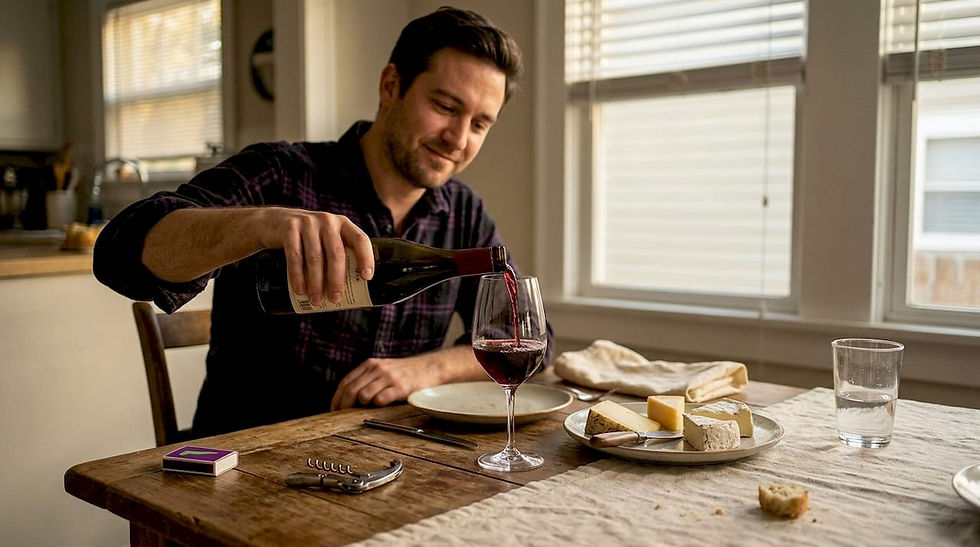
Serving wine for guests can feel like defusing a bomb. Wrong temperature? Awkward pour? Cork crumbles everywhere? I’ve been there, and I’m here to tell you it doesn’t have to be stressful. The truth is, a few simple basics are all you need to go from nervous host to confident wine pourer. By the time you finish reading, you’ll know exactly how to handle any bottle that lands on your table, whether it’s a bold Cabernet Sauvignon or a bubbly Prosecco. Let’s get this wine party started.
Table of Contents
Key Takeaways
Point | Details |
Preparation is simple | You only need basic tools and a few tips to serve wine confidently. |
Follow standard pouring rules | Pour 5 ounces per glass, filling only one-third for the best aroma and taste. |
Mind temperature | Lightly chill reds and cool whites to avoid common flavor mistakes. |
Troubleshoot with ease | Most wine serving mistakes are easy to avoid or fix with practice. |
Enjoy the moment | Great wine service focuses on enjoyment and connection, not perfection. |
What you need to serve wine well
Let’s start with what you’ll need on hand before the first cork pops.
Good news: you don’t need a fancy sommelier kit to serve wine like a champ. A solid wine opener (a waiter’s corkscrew is your best friend here), a clean cloth or napkin, and a decent set of glasses are honestly all you need to get going. That’s it. If you want to level up, a kitchen thermometer helps you nail serving temperatures, but it’s totally optional when you’re just starting out.
For glasses, an all-purpose wine glass works for almost every style. It’s the little black dress of the wine world. Versatile, reliable, and always appropriate. If you want to explore wine basics further, you’ll eventually discover that specific glass shapes can enhance different wines, but don’t stress about that now.
Here’s a quick look at the basic serving temperatures for common wine types:
Wine type | Ideal serving temperature |
Full-bodied red (e.g., Cabernet Sauvignon) | 60–65°F (15–18°C) |
Light-bodied red (e.g., Pinot Noir) | 55–60°F (13–15°C) |
White wine (e.g., Chardonnay) | 45–50°F (7–10°C) |
Sparkling wine (e.g., Champagne, Prosecco) | 40–45°F (4–7°C) |
Rosé | 45–55°F (7–13°C) |
And here are some nice-to-have extras that make the experience feel a little more polished:
A decanter (helps reds open up and release their aromas)
An ice bucket (keeps whites and sparkling wines chilled at the table)
A wine stopper (saves leftover wine for later)
A foil cutter (makes opening bottles cleaner and faster)
One thing to keep in mind from the start: wine is typically poured to one-third of the glass, about 5 ounces (150ml). That might look like less than you expect, but trust me, it makes a big difference. More on that in the next section. For now, check out this handy wine basics guide if you want a broader overview before diving deeper.

Step-by-step: How to open and pour wine flawlessly
With your tools ready, let’s look at each step from bottle to glass.
Opening a bottle of wine doesn’t need to be a dramatic event. Here’s a simple sequence that works every time:
Remove the foil. Use a foil cutter or the small blade on your waiter’s corkscrew. Cut just below the lip of the bottle for a clean look.
Insert the worm. That’s the spiral part of the corkscrew. Angle it into the center of the cork and twist slowly.
Lever it out. Use the corkscrew’s lever against the bottle rim and pull the cork out gently. No yanking.
Wipe the bottle neck. Use your clean cloth to remove any cork dust or residue before pouring.
Pour slowly. Tilt the glass slightly and pour in a smooth, steady stream. Stop at one-third full.
Twist as you finish. Give the bottle a slight twist as you lift it away. This stops drips on the tablecloth.
Pro Tip: Hold the bottle near its base, not the neck. This gives you better control and looks impressively confident. It’s a small move that makes a big difference.
Here’s a quick comparison of common mistakes versus the better approach:
Common mistake | Better practice |
Filling the glass more than halfway | Stop at one-third full |
Yanking the cork out fast | Lever it out slowly and steadily |
Forgetting to wipe the bottle neck | Always wipe before pouring |
Holding the bottle by the neck | Hold near the base for control |
Pouring too fast | Pour in a slow, steady stream |
Why does filling to only one-third matter? Because that empty space in the glass is where the magic happens. The standard pour of 5 ounces leaves room for you to swirl the wine, which releases its aromas (the fancy word is “bouquet”). Swirling also lets you spot wine legs, those little streaks that run down the inside of the glass after swirling. They’re a fun visual cue about the wine’s body and alcohol content. If you want to get comfortable with the language around all of this, wine terminology is a great place to start.
Serving temperature and presentation: Make wine shine
Now that the wine’s in the glass, let’s boost its aroma and taste by serving at the best temperature.
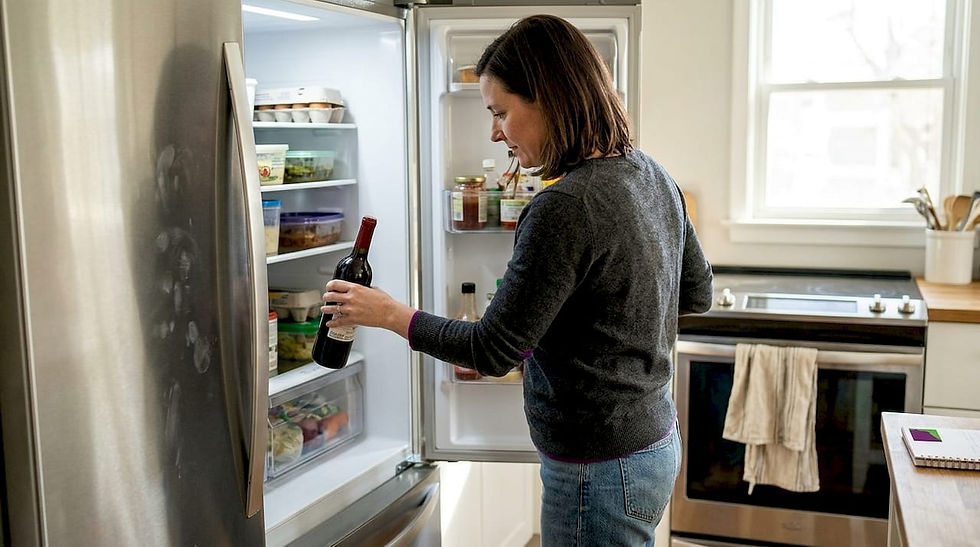
Temperature is honestly one of the biggest game-changers in wine serving, and it’s one of the most overlooked. Serve a red wine too warm and it tastes flat and boozy. Serve a white wine ice-cold and you’ll mute all the lovely fruit flavors. Serving reds too warm or whites too cold is one of the most common rookie mistakes out there. Here’s a simple cheat sheet:
Full-bodied reds like Cabernet Sauvignon: 60–65°F. Slightly cool, not room temperature.
Light-bodied reds like Pinot Noir: 55–60°F. A short chill in the fridge (15 minutes) works great.
White wines like Sauvignon Blanc or Chardonnay: 45–50°F. About two hours in the fridge.
Sparkling wines like Champagne or Prosecco: 40–45°F. Keep them well chilled until the moment you pour.
Rosé: 45–55°F. Think lightly chilled, like a refreshing summer afternoon.
Pro Tip: If your red wine is too warm, pop it in the fridge for 15 to 20 minutes. If your white is too cold, just hold the glass in your hands for a minute or two. Your body heat does the work.
Presentation matters too, even if it’s subtle. Make sure your glasses are polished and free of water spots (a quick buff with a clean cloth does the trick). A clean, label-forward bottle on the table looks intentional and welcoming. If you’re serving a big, bold red, consider a light decant, which just means pouring it into a wide-bottomed glass vessel for 20 to 30 minutes before serving. This softens the tannins (the dry, grippy feeling in your mouth) and opens up the aromas beautifully. Want to feel even more confident in your wine choices? These small presentation habits build up fast.
Troubleshooting: Avoid these common wine serving mistakes
Even with the right sequence, it’s easy to make small slip-ups. Here’s how to avoid them.
Everyone makes mistakes when they’re learning. The key is knowing what to watch for so you can course-correct quickly. Here are the most common serving pitfalls and how to handle them:
Overpouring: Fill only to one-third of the glass. If you’re unsure, use a measuring cup once at home to see what 5 ounces looks like in your specific glass. You’ll remember it forever after.
Wrong temperature: Reds served too warm taste flat and alcoholic. Whites served too cold lose all their fruit. Use the fridge trick from the previous section.
Wrong glass: A tiny juice glass kills the aroma. Use at least a standard all-purpose wine glass with a proper bowl shape.
Crumbly cork: If the cork breaks, use the corkscrew at a slight angle to extract the remaining piece. A wine strainer or cheesecloth can catch any cork bits in the wine.
Sparkling wine deserves its own mention because it trips people up the most. Here’s the golden rule:
“Never pop a sparkling wine cork like a party cannon. Instead, hold the cork firmly with one hand, grip the bottle base with the other, and slowly twist the bottle (not the cork) until you feel a gentle hiss. Quiet is classy, and it keeps the bubbles where they belong: in the glass.”
Practice makes this feel natural. Nobody nails every pour on the first try, and that’s completely fine. The more you do it, the more relaxed you’ll feel. Explore more beginner-friendly tips in the wine basics category for extra confidence.
How to pair wine and food when serving guests
Once the basics are nailed, serving wine alongside food brings it all together.
Pairing wine with food sounds intimidating, but it really comes down to a few simple ideas. Think of it like matching outfits: you want the flavors to complement each other, not fight for attention. Here are three beginner-friendly pairing principles to keep in your back pocket:
Match weight to weight. Light dishes like salad or fish go with lighter wines like Pinot Grigio or Sauvignon Blanc. Rich, heavy dishes like steak or pasta with cream sauce call for bold reds like Cabernet Sauvignon or Syrah.
Contrast or complement. A sweet wine can balance a spicy dish. An acidic white like Sauvignon Blanc cuts through rich, buttery sauces beautifully.
When in doubt, go local. Wines from a region often pair naturally with the food from that same region. Think Italian Chianti with pasta, or French Burgundy with roasted chicken.
Pro Tip: If you’re ever unsure what to bring to a dinner party, reach for Pinot Noir or Sauvignon Blanc. Both are crowd-pleasing, food-friendly wines that work with a wide range of dishes. They’re the peanut butter and jelly of the wine world.
For a deeper look, the food and wine pairing section on our blog is packed with ideas. If you want a structured walkthrough, the step-by-step wine and food pairing guide is a fantastic next read. And if steak is on the menu, you’ll love the breakdown of the best wines for steak. Spoiler: it’s a very fun pairing rabbit hole to fall into.
What most wine guides miss: Serving wine is about connection, not perfection
Here’s something I genuinely believe: most wine guides spend too much time on rules and not enough time on what actually matters. I’ve seen people stress over glass shapes and decanting times while their guests are just happy to have a drink in their hand and good conversation flowing.
The truth is, your guests are not judging your pour. They’re enjoying your company. A slightly over-chilled red or a glass filled just a touch too high won’t ruin anyone’s evening. What will make the night memorable is the warmth you bring to the table.
That said, learning the basics genuinely does build confident wine choices, and confidence is contagious. When you feel relaxed about serving, your guests feel relaxed too. Use these fundamentals as a springboard, not a rulebook. Over time, you’ll develop your own style, your go-to wines, your favorite pairings. That’s where the real fun begins.
Ready to serve wine like a pro? Take your next step
You’ve got the fundamentals down, and that’s genuinely exciting. But if you’re hungry for more, there’s a whole world of wine knowledge waiting for you.
At Blame It On Bacchus, we make learning about wine as fun as drinking it. Our private wine classes are perfect for beginners who want a guided, low-pressure experience with friends or family. If you prefer to learn at your own pace, the elements of wine course walks you through everything from grape to glass in a way that’s actually enjoyable. Come hang out with us and turn your curiosity into real wine confidence.
Frequently asked questions
What is the correct amount of wine to pour in a glass?
Pour about 5 ounces (150ml) per glass, filling to one-third for ideal aroma and swirling room.
At what temperature should I serve red and white wines?
Serve reds lightly chilled around 60–65°F and whites between 45–50°F. Serving reds too warm or whites too cold is one of the most common beginner errors.
How can I avoid overpouring wine?
Use a standard wine glass and stop at one-third full, which is about 5 ounces per pour. Measuring once at home trains your eye quickly.
What’s the safest way to open sparkling wine?
Hold the cork firmly and twist the bottle slowly until you hear a soft hiss. Popping corks violently wastes bubbles and can be genuinely dangerous.
Does the type of glass really matter?
A classic all-purpose wine glass works beautifully for most wines, but specific shapes like a wide-bowled Burgundy glass can enhance aroma and flavor for certain styles.
Recommended
Comments