What Is Fortified Wine? A Beginner's Guide


Fortified wine is defined as any wine to which a distilled spirit, typically neutral grape brandy, has been added, raising the alcohol content to 15–22% ABV and either arresting fermentation or stabilizing the finished wine. That single addition changes everything: the flavor, the sweetness, the shelf life, and even how you serve it. If you’ve ever sipped a glass of Port at Thanksgiving or spotted Sherry in a recipe and wondered what makes it different from regular wine, you’re in the right place. This guide breaks down what is fortified wine, how it’s made, and why it deserves a permanent spot in your glass rotation.
How is fortified wine made?
The production process behind fortified wine is surprisingly straightforward, but the timing of one key step changes the entire personality of the wine. That step is when you add the spirit.
Winemakers use two main approaches:
During fermentation (mutage): The spirit is added while the grape juice is still fermenting, typically when the sugar level drops to around 3–6°Brix. The alcohol kills the yeast, fermentation stops, and all that unfermented sugar stays in the wine. The result is a sweet, rich style. Port is the classic example.
After fermentation: The wine ferments fully to dryness first, then the spirit is added for stabilization and strength. No residual sugar survives, so the wine is dry. Fino Sherry is the textbook case.
The spirit used is typically a neutral grape brandy, and its strength ranges from 77%–96% ABV. That range is not random. Artisan producers treat the exact spirit strength and addition timing as closely guarded secrets. Those two variables shape the wine’s character more than almost anything else.
Pro Tip: If you’re exploring fortified wines for the first time, start by asking whether the spirit was added before or after fermentation. That single question tells you whether the wine will be sweet or dry before you even taste it. Check out this beginner’s guide to wine sweetness for more context.
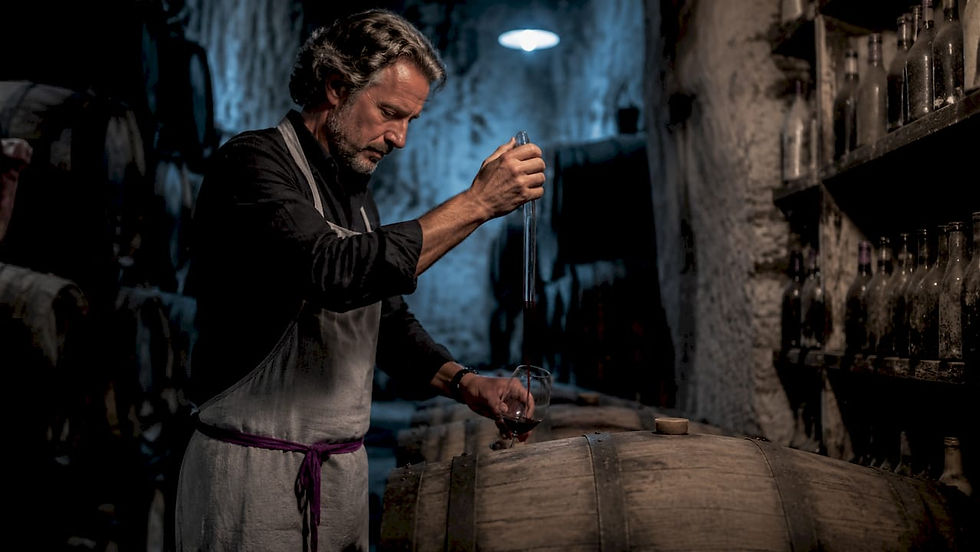
Sherry also uses a solera system, a fractional blending method where older wine is continuously topped up with younger wine across multiple barrels. This oxidative aging process creates layered, nutty flavors that you simply cannot fake with shortcuts.
What are the main types of fortified wine?
The five most recognized fortified wines are Port, Sherry, Madeira, Marsala, and Vermouth. Each comes from a specific region, uses specific grapes, and delivers a completely different experience. The biggest misconception? That they’re all sweet and syrupy. That’s flat-out wrong.

Bone-dry styles like Fino Sherry, dry Vermouth, and Sercial Madeira are served as aperitifs with savory food, not dessert. Knowing this opens up a whole new world of drinking occasions.
Here’s a quick comparison of the star players:
Wine | Origin | Typical ABV | Sweetness Range | Best Used As |
Port | Douro Valley, Portugal | 19–22% | Sweet to very sweet | Dessert wine, cheese pairing |
Sherry | Jerez, Spain | 15–20% | Bone dry to very sweet | Aperitif or dessert |
Madeira | Madeira Island, Portugal | 17–22% | Dry to sweet | Aperitif, cooking, aging |
Marsala | Sicily, Italy | 17–20% | Dry to sweet | Cooking, sipping |
Vermouth | France and Italy | 15–22% | Dry to sweet | Cocktails, aperitif |
A few highlights worth knowing:
Port is made from indigenous Portuguese grapes like Touriga Nacional and aged in barrels. Tawny Port clocks in around 20% ABV with rich caramel and dried fruit notes.
Sherry ranges from the bone-dry, saline Fino to the intensely sweet Pedro Ximénez (PX), which can carry up to 400 g/L of residual sugar. That’s basically liquid raisins in a glass.
Madeira is nearly indestructible thanks to its oxidative production process. An open bottle can last for weeks.
Marsala is the one you’ve probably cooked with. It adds depth to chicken Marsala and works beautifully in pan sauces.
Vermouth is the cocktail world’s secret weapon. A dry Vermouth is the backbone of a classic Martini.
Understanding these distinct regional styles is what separates a curious beginner from someone who actually knows what they’re ordering.
Fortified wine vs. regular wine: what’s the difference?
Regular table wine and fortified wine start the same way: fermented grape juice. The split happens when a distilled spirit enters the picture.
Here’s how they differ in practical terms:
Alcohol content: Regular table wine typically lands between 9% and 15% ABV. Fortified wine sits higher, at 15–22% ABV, because of the added spirit.
Fermentation: Table wine ferments fully or is stopped by chilling or filtering. Fortified wine can be stopped mid-fermentation by the spirit itself.
Sweetness: Table wine’s sweetness depends on grape ripeness and winemaking choices. In fortified wine, sweetness is often a direct result of when the spirit was added.
Shelf life: Table wine typically lasts 3–5 days after opening. Many fortified wines last weeks or longer, especially oxidative styles like Madeira or Tawny Port.
Dessert wine adds another layer of confusion. Dessert wines like late-harvest Riesling are sweet because the grapes were harvested with extremely high sugar content, not because any spirit was added. Port is both a fortified wine and a dessert wine. Fino Sherry is fortified but not a dessert wine at all. The categories overlap, but they are not the same thing.
The U.S. Alcohol and Tobacco Tax and Trade Bureau (TTB) draws the legal line at 14% ABV. Wines above that threshold fall into a different tax and regulatory category, which affects labeling and pricing. That’s why you’ll sometimes see wine label regulations that seem confusing at first glance.
For food pairing purposes, fortified wines are incredibly flexible. Dry styles work as aperitifs with olives, almonds, and charcuterie. Sweet styles shine alongside blue cheese, chocolate, and fruit-based desserts.
How to serve, store, and enjoy fortified wine
Serving and storing fortified wine correctly makes a real difference. Get it wrong and even a great bottle will disappoint you.
Serving temperatures by style:
Dry styles like Fino Sherry and dry Vermouth: serve well chilled, around 45–50°F, like a white wine
Sweet styles like Tawny Port or PX Sherry: serve slightly cool, around 60–65°F
Madeira: room temperature or lightly chilled works for most styles
Shelf life after opening:
The storage rules vary dramatically depending on the style. High sugar and oxidative styles like Tawny Port and Madeira can last weeks or even months after opening. Delicate dry styles like Fino Sherry are a different story entirely. They need refrigeration and should be finished within a few days, just like a regular white wine.
Fino Sherry: refrigerate and drink within 3–5 days
Tawny Port: keep in a cool, dark place and enjoy within 4–6 weeks
Madeira: nearly indestructible, can last months after opening
Vermouth: refrigerate and use within 3–4 weeks
Pro Tip: The biggest storage mistake people make is treating all fortified wines the same. Leaving a bottle of Fino Sherry on the counter for two weeks is a waste of a good wine. Treat it like an open bottle of Sauvignon Blanc. For a full breakdown, read up on proper wine storage.
Fortified wines are also incredibly versatile in the kitchen. Dry Sherry deepens the flavor of soups and pan sauces. Marsala is a classic in Italian-American cooking. Even a splash of Port can transform a simple reduction into something restaurant-worthy.
Key takeaways
Fortified wine is wine strengthened by added brandy, and the timing of that addition determines whether the wine is sweet or dry.
Point | Details |
Core definition | Fortified wine contains added distilled spirit, raising ABV to 15–22% and shaping sweetness. |
Timing determines sweetness | Spirit added during fermentation creates sweet wines; post-fermentation addition creates dry wines. |
Not all styles are sweet | Fino Sherry, dry Vermouth, and Sercial Madeira are bone dry and served as aperitifs. |
Storage varies by style | Delicate dry styles need refrigeration and quick use; oxidative styles last weeks after opening. |
Five major types | Port, Sherry, Madeira, Marsala, and Vermouth each have distinct origins, flavors, and uses. |
My honest take on fortified wine
I’ve seen so many people write off fortified wine because they tried a cloyingly sweet Port once and assumed that’s all there is. That’s like tasting one style of cheese and deciding you don’t like cheese.
The real joy of fortified wine is the range. A glass of chilled Fino Sherry with a plate of Marcona almonds is one of the most satisfying combinations I know. It’s savory, briny, and refreshing. Nothing about it screams “dessert wine.” On the flip side, a small pour of Tawny Port with a wedge of Stilton after dinner is pure comfort.
What I’d encourage you to do is approach fortified wine the way you’d approach a new cuisine. Start curious. Try a dry style first if you’re skeptical about sweetness. Then work your way toward the richer, sweeter expressions. The history of fortified wine as a sailor’s preservation tool tells you everything about its resilience and character. These are wines built to last and built to surprise you.
The difference between artisan and mass-market fortified wines is also worth paying attention to. A well-made Fino from a small Jerez producer and a grocery store Sherry are not the same drink. Spend a little more, and you’ll taste why.
— Thomas
Ready to go deeper into wine?
If fortified wine has you curious about what else is hiding in the world of wine, Blameitonbacchus is the place to keep learning. The vibe is fun, the content is beginner-friendly, and nobody’s going to make you feel silly for not knowing the difference between a Tawny and a Ruby Port yet.

Blameitonbacchus offers private wine classes led by real experts who love making wine approachable and genuinely entertaining. Whether you want to explore fortified wines, nail your food pairings, or just build confidence with a glass in your hand, there’s a class for you. You can also explore the full wine education channel for on-demand content that fits your schedule. No snobbery. Just good wine and good vibes.
FAQ
What is the fortified wine definition in simple terms?
Fortified wine is wine that has had a distilled spirit, usually brandy, added to it, raising its alcohol content to 15–22% ABV. That addition either stops fermentation early to preserve sweetness or stabilizes a dry finished wine.
Are all types of fortified wine sweet?
No. Many popular styles like Fino Sherry, dry Vermouth, and Sercial Madeira are completely dry and served as aperitifs, not dessert wines. Sweetness depends entirely on when the spirit was added during production.
How does fortified wine differ from regular wine?
Regular table wine typically contains 9–15% ABV and has no added spirits. Fortified wine contains added brandy, sits at 15–22% ABV, and generally lasts much longer after opening than a standard bottle of table wine.
What are the best fortified wines for beginners?
Tawny Port and a medium-dry Amontillado Sherry are great starting points. Both offer approachable flavor profiles with enough complexity to make them interesting without being overwhelming.
Can you use fortified wine in cooking?
Absolutely. Dry Sherry and Marsala are kitchen staples used in sauces, soups, and braises. Their higher alcohol content and concentrated flavors add depth that regular wine often cannot match.
Recommended
Comments