What Is Orange Wine? A Curious Drinker's Guide


Orange wine is white wine made by fermenting white grape juice with extended skin contact, producing a distinctive amber or copper color along with tannins and complex flavors you simply won’t find in a standard Chardonnay. The name has nothing to do with oranges. It refers entirely to the color extracted from grape skins during maceration. The industry term you’ll also hear is “skin-contact white wine,” and since 2020 the OIV has formally recognized it as “white wine with maceration.” Think of it as the rebellious middle child of the wine world: made from white grapes, but structured more like a red. Orange wine’s sharp rise in popularity among adventurous drinkers and sommeliers proves this category is way more than a passing trend.
What is orange wine and how is it made?
The production process is where orange wine earns its personality. In conventional white winemaking, grape skins are removed almost immediately after pressing. With orange wine, the skins stay in contact with the juice for anywhere from a few days to six months or more. That contact time is everything.
Maceration durations break down into three broad ranges:
Short maceration (days to 2 weeks): Produces a lightly golden or peach-tinted wine with gentle tannins and fresh fruit character. Think of it as orange wine with training wheels.
Medium maceration (2 weeks to 3 months): Delivers deeper amber color, more pronounced tannin grip, and the dried fruit and nutty notes orange wine is known for.
Extended maceration (3 to 6+ months): Creates the full-on amber powerhouses with firm tannins, oxidative character, and tertiary aromas like dried apricot, tea, and walnuts.
The vessel matters just as much as the time. Producers use stainless steel for clean, precise results. Concrete eggs and clay qvevri (the traditional Georgian buried clay pot) add texture and allow micro-oxygenation without heavy oak influence. Oak barrels are less common but do appear in some Western styles.
Here’s a fact that surprises most people: skin contact in white winemaking was the default method before modern technology pushed winemakers toward cleaner, fresher whites. Orange wine is not a trend invented by hipsters. It’s a return to ancient practice. Georgian amber wines made in qvevri date back 8,000 years, making this one of the oldest winemaking traditions on the planet.

Pro Tip: Not all orange wines are “natural” wines. Some producers use commercial yeasts and temperature control to make clean, technically precise skin-contact wines. If you’re nervous about funky or oxidative flavors, ask your wine shop for a modern-style orange wine with shorter maceration.
What does orange wine taste like?
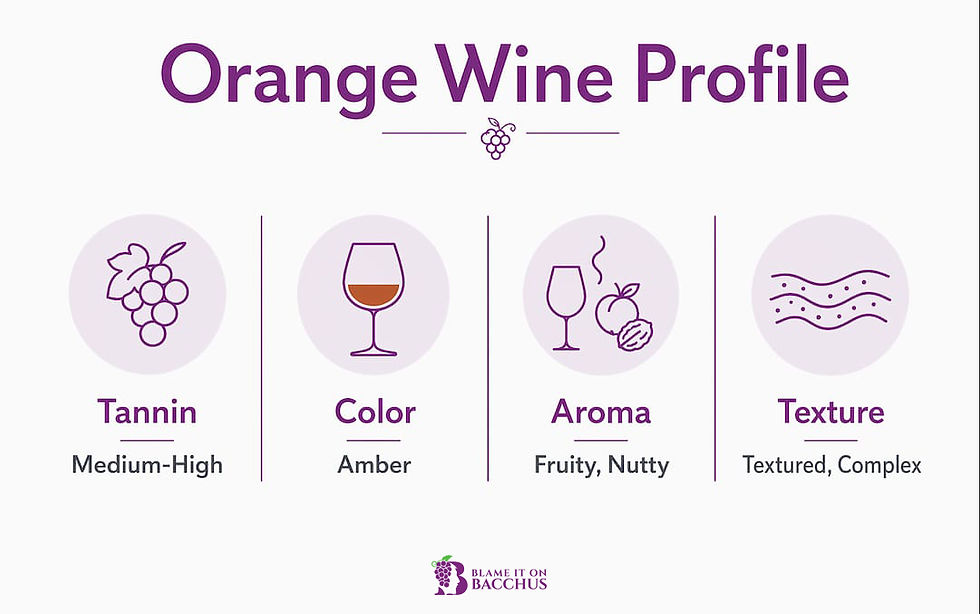
Forget citrus. Orange wine tastes nothing like oranges. The flavor profile lands somewhere between a full white wine and a light red, which is exactly what makes it so interesting to taste.
Common aromas and flavors you’ll encounter include:
Dried apricot and stone fruit: The skin contact concentrates fruit character into something richer and more preserved than fresh white wine fruit.
Nuts and honey: Especially in extended maceration styles, you get walnut, almond, and beeswax notes that feel almost like an aged wine.
Tea and chamomile: These herbal, slightly tannic notes come directly from phenolic compounds extracted during skin contact.
Savory and oxidative notes: Think orange marmalade, dried herbs, and a subtle nuttiness that whiskey drinkers often recognize and love.
The texture is where orange wine really separates itself. Tannins in white wine are almost unheard of, but orange wine has genuine grip. It coats your mouth the way a light Pinot Noir would, not aggressively, but noticeably. That structure is what makes it such a versatile food pairing wine, capable of standing up to roast lamb, spiced lentils, aged cheeses, and even charcuterie boards that would overwhelm a delicate white.
To sharpen your ability to pick up these notes, check out wine aroma examples that walk you through the sensory vocabulary you need. Orange wine rewards the curious taster who takes their time.
Types of orange wine from around the world
Orange wine is a color category, not a single style. Traditional Georgian producers prefer the term “amber wine” and use qvevri clay vessels for months-long maceration, producing deeply tannic, oxidative wines with extraordinary complexity. Western producers, particularly in Italy’s Friuli-Venezia Giulia region, Slovenia, and increasingly in California and New Zealand, tend toward shorter macerations in stainless steel or concrete, yielding brighter, more approachable styles.
Here’s a quick style comparison to help you navigate the shelves:
Region / Style | Maceration time | Vessel | Typical flavor profile |
Georgia (amber wine) | 3 to 6+ months | Qvevri clay | Dried fruit, walnuts, firm tannins, oxidative |
Friuli-Venezia Giulia, Italy | 2 weeks to 3 months | Concrete, oak | Apricot, honey, medium tannins, earthy |
Slovenia | 2 weeks to 2 months | Concrete, stainless | Floral, stone fruit, gentle grip |
California / New Zealand | Days to 2 weeks | Stainless steel | Fresh, lightly tannic, peach, citrus peel |
Grape variety also plays a huge role. Pinot Grigio (called Ramato in its Italian skin-contact form), Rkatsiteli from Georgia, Ribolla Gialla from Friuli, and Gewürztraminer all develop beautifully with skin contact. On the flip side, thin-skinned, high-acid grapes like Albariño can lose their signature aromatics and become flat or unbalanced with extended maceration. Not every white grape is built for this treatment.
The terminology can get confusing fast. “Orange wine,” “amber wine,” “skin-contact white wine,” and “Ramato” all describe variations of the same core process. Georgian producers specifically resist the “orange wine” label because their tradition predates the term by millennia. Both names are valid. Context is everything.
Pro Tip: If you want to start your orange wine journey with something approachable, look for a Slovenian or Northern Italian style with 2 to 4 weeks of skin contact. They deliver the characteristic texture and flavor without the intensity of a full Georgian amber wine.
How does orange wine compare to white, red, and rosé?
This is the question that trips up most new orange wine drinkers. Here’s the clearest way to think about it: orange wine uses white grapes but ferments them like red wine. That one shift changes everything about the final glass.
Orange vs. white wine: White wine minimizes skin contact to preserve freshness and delicate aromatics. Orange wine maximizes it, trading crisp acidity for tannin, depth, and oxidative complexity. The color shifts from pale yellow to deep amber.
Orange vs. red wine: Red wine uses red or black grapes and gets its color and tannins from dark skins. Orange wine mimics the structure of a light red but uses white grapes, so the tannins are softer and the color stays in the amber range rather than purple or ruby.
Orange vs. rosé: Rosé is made from red grapes with very brief skin contact, just enough to pick up a blush of color. Orange wine is made from white grapes with much longer skin contact. They’re practically opposites in terms of process, even though both involve some degree of maceration.
Wine type | Grape color | Skin contact | Tannin level | Color range |
White wine | White | Minimal or none | Very low | Pale yellow to gold |
Orange wine | White | Days to months | Low to medium | Amber to deep copper |
Rosé | Red | Hours to 2 days | Very low | Pink to salmon |
Red wine | Red | Days to weeks | Medium to high | Ruby to deep purple |
For a deeper look at how red wine structure compares to orange wine’s tannin profile, that guide breaks it down by variety and body weight. It’s a great companion read once you’ve got the orange wine basics locked in.
Key takeaways
Orange wine is white wine made with extended skin contact, and that single production choice defines its color, tannin structure, and complex flavor profile.
Point | Details |
Core definition | Orange wine is white wine fermented with grape skins, producing tannins and amber color. |
Flavor profile | Expect dried apricot, nuts, tea, and honey. Never citrus or orange fruit flavor. |
Style range | Maceration time and vessel choice create styles from light and fresh to deeply tannic and oxidative. |
Grape suitability | Not all white grapes work. Ribolla Gialla and Rkatsiteli thrive; Albariño often struggles. |
Food pairing power | Tannin structure makes orange wine pair well across a wider food range than most whites. |
Thomas’s take: orange wine is the most misunderstood glass on the table
I’ll be honest. The first time I tried an orange wine, I expected something citrusy and fun. What I got was a glass of deeply amber, slightly funky, tannic wine that tasted like dried apricots had a conversation with a walnut. I was confused. Then I was hooked.
The biggest mistake I see people make is ordering orange wine expecting it to drink like a white. It doesn’t. Treat it more like a light red and you’ll be far less surprised. Serve it slightly cooler than room temperature but warmer than you’d serve a Sauvignon Blanc. Around 55 to 60 degrees Fahrenheit is the sweet spot.
The food pairing potential is genuinely underrated. I’ve matched orange wines with everything from roasted cauliflower with tahini to slow-cooked lamb shoulder, and it bridges those flavor worlds in a way that neither a white nor a red can. That’s the real magic of skin contact. It creates a wine that doesn’t fit neatly into any box, which is exactly why sommeliers love recommending it.
My honest advice? Start with a shorter maceration style from Slovenia or Friuli before jumping into a six-month Georgian amber. Build up your palate. And if you want to sharpen your tasting instincts before your next bottle, the guide on identifying wine notes at Blameitonbacchus is genuinely one of the best starting points I’ve found for beginners.
— Thomas
Ready to go deeper into the world of wine?
Orange wine is just one of the fascinating styles waiting for you to explore. At Blameitonbacchus, we make wine education genuinely fun, no stuffy lectures or intimidating jargon. Whether you’re a total beginner or a curious enthusiast who wants to level up, our private wine classes cover everything from skin-contact whites to classic reds in a relaxed, engaging format.

If you’re ready to taste, learn, and laugh your way through the wine world, head over to Blameitonbacchus and see what’s on offer. You might just find your new favorite wine style waiting for you there.
FAQ
What is orange wine made from?
Orange wine is made from white grapes fermented with extended skin contact, which extracts color, tannins, and phenolic compounds from the grape skins. The process is identical to red winemaking in structure, just using white grape varieties instead.
Does orange wine taste like oranges?
No. The name refers to the amber or copper color produced by skin contact, not any citrus flavor. Typical tasting notes include dried apricot, nuts, honey, tea, and savory oxidative character.
How is orange wine different from rosé?
Rosé is made from red grapes with very brief skin contact, just enough to pick up pink color. Orange wine is made from white grapes with much longer skin contact, producing tannins and a deeper amber color. The two wines are essentially opposite in their production logic.
Is orange wine a natural wine?
Not necessarily. Some producers use commercial yeasts and temperature control to make clean, technically precise orange wines. Skin contact defines the style, not natural wine status.
What food pairs well with orange wine?
Orange wine pairs well with a wide range of dishes including roasted meats, spiced lentils, aged cheeses, charcuterie, and Middle Eastern cuisine. Its tannin structure gives it the flexibility to handle foods that would overwhelm a typical white wine.
Recommended
Comments