Rosé Wine: Varieties, Tasting Notes, and Food Pairings

Updated: Jul 21
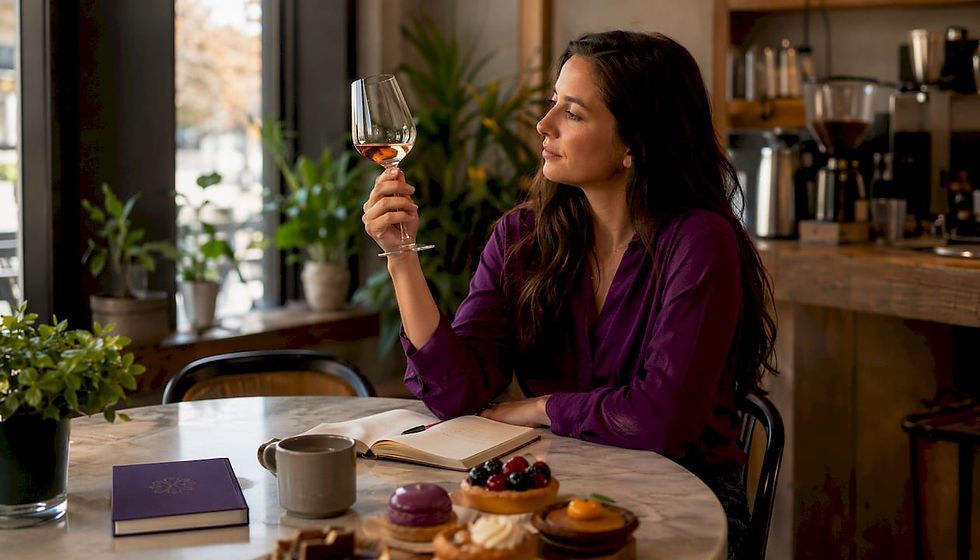
Rosé wine is a pink-colored wine made from red grapes through limited skin contact, a deliberate winemaking choice that shapes everything from its color to its flavor. It sits beautifully between red and white wine, borrowing the fruit character of reds and the freshness of whites. The Rosé Renaissance beginning around 2006 set the benchmark for bone-dry, pale-pink aromatic styles, proving this category deserves serious attention. Whether you’re chasing a crisp Provence pour or a juicy California blush, there’s a style here with your name on it.

How is rosé wine made?
The color in your glass is not an accident. Winemakers control how long red grape skins stay in contact with the juice, and that window determines everything. A few hours of skin contact produces a pale, barely-there blush. Longer contact creates a deeper salmon or even ruby pink.
Three main production methods shape the rosé you drink:
Direct pressing: Grapes are pressed immediately, with minimal skin contact. This produces the palest, most delicate styles, typical of Provence.
Saignée (bleeding): Winemakers “bleed off” a portion of juice from a red wine fermentation early on. This creates a richer, more concentrated rosé as a byproduct.
Blending: A small amount of red wine is blended into white wine. This method is mostly reserved for sparkling rosés like Champagne.
The grape varieties used in Provence rosés include Grenache, Syrah, Cinsault, and Rolle, with soil and climate shaping the wine’s minerality and flavor. Beyond Provence, Pinot Noir, Cabernet Sauvignon, and Zinfandel all produce distinctive rosé styles depending on where they grow. Terroir, the combination of soil, climate, and geography, plays a real role in whether your glass tastes like crushed strawberries or sea spray and citrus.
Pro Tip: If you want to understand how grape choice shapes flavor, check out this guide on how grapes shape wine flavor before your next bottle.
Modern top-tier rosés use precision techniques like hand-picking and aging on fine lees, the same methods applied to serious whites and reds. That level of care pushes rosé well beyond casual summer sipping.
What does rosé wine taste like?
Rosé is not one flavor. It’s a whole spectrum. The style depends on the grape, the region, and the winemaker’s choices. That said, most rosés share red fruit notes like strawberry, cherry, and raspberry, along with bright acidity and low tannins. Low tannins mean the wine feels smooth and fresh on your palate, not grippy like a big red.
Here’s a quick breakdown of what to expect by style:
Pale, dry Provence rosé: Think watermelon rind, white peach, fresh herbs, and a mineral finish. Crisp and elegant.
Medium-bodied California rosé: Richer strawberry and melon flavors, slightly rounder texture, often with a hint of sweetness.
Darker, fruit-forward styles: More cherry and pomegranate, sometimes a touch of spice. These come from longer skin contact or warmer climates.
Sparkling rosé: Adds a toasty, creamy layer to the fruit, with fine bubbles lifting the aromas.
Acidity is the backbone of any good rosé. High acidity keeps the wine feeling lively and food-friendly. Rosé varies widely between mineral-driven and fruit-focused expressions, so your personal preference really does guide the best choice. If you love crisp whites, lean toward Provence-style dry rosés. If you prefer juicy reds, a darker, richer style will feel more at home in your glass.
How to serve rosé wine for the best experience
Serving temperature makes or breaks a glass of rosé. Get it right, and every flavor pops. Get it wrong, and the wine tastes flat or muted.
Chill to 45–55°F (7–13°C). The ideal serving temperature for rosé preserves its delicate floral and fruit aromas. Too cold and those aromas disappear. Too warm and the alcohol takes over.
Use a white wine glass. A standard white wine glass with a narrower bowl concentrates the aromas toward your nose. Wide-bowled red wine glasses let those delicate scents escape too quickly.
Store unopened bottles properly. Keep them away from sunlight, heat, and humidity. A consistent, cool environment protects the wine’s quality until you’re ready to open it.
Drink opened bottles within 3–5 days. Opened rosé is sensitive to light and oxidation, which means it degrades faster than you might expect. Re-cork tightly and refrigerate immediately after pouring.
Let it warm slightly before serving. If you’ve chilled the bottle in an ice bucket, give it a minute or two in the glass before drinking. Bone-cold wine hides its best flavors.
Pro Tip: For a deeper look at how temperature affects every wine style, the full guide on serving temperatures is worth bookmarking.
Most rosés are best enjoyed young and fresh. Standard rosé retains its aromatic profile for 2–3 years, so there’s no need to cellar them. Drink them while they’re vibrant.
Rosé wine food pairings: matching flavors for memorable meals
Rosé is the most food-friendly wine category out there. Its acidity cuts through rich dishes, its fruit complements lighter fare, and its low tannins never clash with delicate flavors. Think of it as the ultimate wingman at the dinner table.
Here’s how to match your style to your meal:
Light, dry rosé + seafood: Grilled shrimp, oysters, seared scallops, and light fish tacos all sing alongside a crisp Provence rosé. The wine’s mineral edge mirrors the ocean flavors beautifully.
Dry rosé + salads and vegetables: A pale rosé with a green salad, roasted beets, or grilled asparagus is a classic pairing. The acidity brightens the vegetables without overpowering them.
Medium-bodied rosé + grilled meats: Chicken, pork tenderloin, and even a light burger work well here. High-quality dry rosé pairs effectively with Iberian ham and grilled fish, proving it can hold its own against bold flavors.
Richer rosé + spicy dishes: A fruit-forward rosé cools down the heat in Thai curry, spicy tacos, or Sichuan noodles. The residual fruit acts like a palate reset between bites.
Sparkling rosé + desserts: Strawberry shortcake, raspberry tarts, and light cheesecakes are natural partners. The bubbles cut through sweetness and keep the pairing feeling fresh.
The golden rule of pairing is balance. Match the weight of the wine to the weight of the dish. A delicate Provence rosé gets lost next to a smoky brisket. A rich, dark rosé overwhelms a simple green salad. For a broader look at pairing principles, wine pairing made easy breaks it down without the intimidation.
Food | Best rosé style |
Grilled seafood | Pale, dry Provence rosé |
Spicy dishes | Fruit-forward, medium-bodied rosé |
Charcuterie and tapas | Dry Spanish or Loire Valley rosé |
Strawberry desserts | Sparkling rosé |
Grilled chicken or pork | Medium-bodied California rosé |

What are the best rosé wine varieties and regions to explore?
Rosé is made everywhere wine is made, but a few regions have built real reputations worth knowing.
Provence, France is the global benchmark. Pale pink, bone-dry, and mineral-driven, Provence rosé set the standard for what serious rosé looks like. Grenache, Syrah, Cinsault, and Rolle dominate the blends here. These wines are built for the table, not the poolside.
Loire Valley, France produces rosés from Cabernet Franc and Pinot Noir that lean floral and earthy. Sancerre rosé, for example, is a mineral-driven charmer that wine lovers often overlook.
Rioja, Spain offers rosado (the Spanish term for rosé) made from Garnacha and Tempranillo. These tend to be slightly darker and more savory than their French counterparts, with a rustic, food-friendly character.
California gives you Zinfandel rosé, a fruitier, medium-dry style with bold strawberry and watermelon flavors. It’s approachable, crowd-pleasing, and great for outdoor gatherings.
Organic and sustainable rosé production is growing fast across all these regions. Wine trends in 2026 show rosé playing an increasingly prominent role in fine dining, with sommeliers treating it as a serious category alongside top whites and reds. The category keeps evolving, and that’s exciting for anyone willing to explore beyond the familiar bottle.
Key takeaways
Rosé wine is a distinct, food-friendly category defined by limited skin contact, and choosing the right style by region and grape variety transforms both your glass and your meal.
Point | Details |
Production method shapes style | Direct pressing creates pale, delicate rosés; saignée produces richer, more concentrated styles. |
Flavor varies by region | Provence rosés are dry and mineral; California styles lean fruity and medium-dry. |
Serve at 45–55°F | Chilling to the right temperature preserves aromas and keeps the wine tasting fresh. |
Pair by weight | Match light rosés to seafood and salads; richer styles to grilled meats and spicy dishes. |
Drink opened bottles quickly | Consume within 3–5 days of opening to avoid oxidation and flavor loss. |
Why I think rosé deserves a permanent spot in your rotation
Most people treat rosé like a seasonal accessory. They pull it out in june, drink it through august, and forget about it by september. That’s a mistake I made for years, and I’m here to tell you it costs you some genuinely great wine experiences.
Rosé is a serious category. The precision that goes into top Provence production, including hand-picking, careful pressing, and aging on fine lees, rivals what happens in the best white wine cellars in the world. When you sip a well-made rosé with a plate of grilled fish or a charcuterie spread, you realize this wine was built for the table, not just the beach chair.
My honest advice: stop thinking about rosé as a style and start thinking about it as a spectrum. Try a pale Provence rosé one week and a darker, fruit-forward California pour the next. Notice the difference. Pay attention to how each one changes with food. That curiosity is what turns a casual wine drinker into someone who actually understands what’s in their glass. And that’s where the real fun starts. For a solid starting point, the beginner’s guide to rosé wine covers the essentials without overwhelming you.
— Thomas
Ready to go deeper with Blameitonbacchus?
If this article got your curiosity going, Blameitonbacchus is the place to keep that momentum alive. The brand offers fun, beginner-friendly online wine classes that cover rosé styles, food pairing, serving tips, and a whole lot more. No stuffy lectures. Just real wine knowledge delivered in a way that actually sticks.
Whether you want to sharpen your palate or find the perfect gift for the wine lover in your life, Blameitonbacchus has you covered with curated resources, wine education, and wine-themed merchandise that makes the whole experience more enjoyable. Good wine is better when you understand what’s in your glass. Let Blameitonbacchus help you get there.
FAQ
What is rosé wine, exactly?
Rosé wine is a pink-colored wine made from red grapes with limited skin contact during production. The short contact time extracts color and some flavor from the skins without producing a full red wine.
Is rosé wine sweet or dry?
Rosé ranges from bone-dry to off-dry and occasionally sweet. Provence rosés are typically very dry, while some California and White Zinfandel styles lean sweeter.
How long does an opened bottle of rosé last?
An opened rosé lasts 3–5 days when re-corked and refrigerated. Exposure to oxygen and light degrades the wine quickly, so drink it sooner rather than later.
What food pairs best with rosé?
Light, dry rosés pair best with seafood, salads, and grilled vegetables. Richer styles work well with grilled meats, spicy dishes, and tapas.
Does rosé wine age well?
Most rosés are designed to be drunk young and fresh. Standard rosé retains its aromatic profile for 2–3 years, so there’s little benefit to cellaring them beyond that window.
Recommended
Comments